Junior Year Stress Is Normal
By
Vicky Hioureas
January 27, 2026
•
2
min read
Share this Article
Simply highlight text to share on social or email
Ask almost any student which year of high school was the hardest, and the answer is remarkably consistent: Junior year.
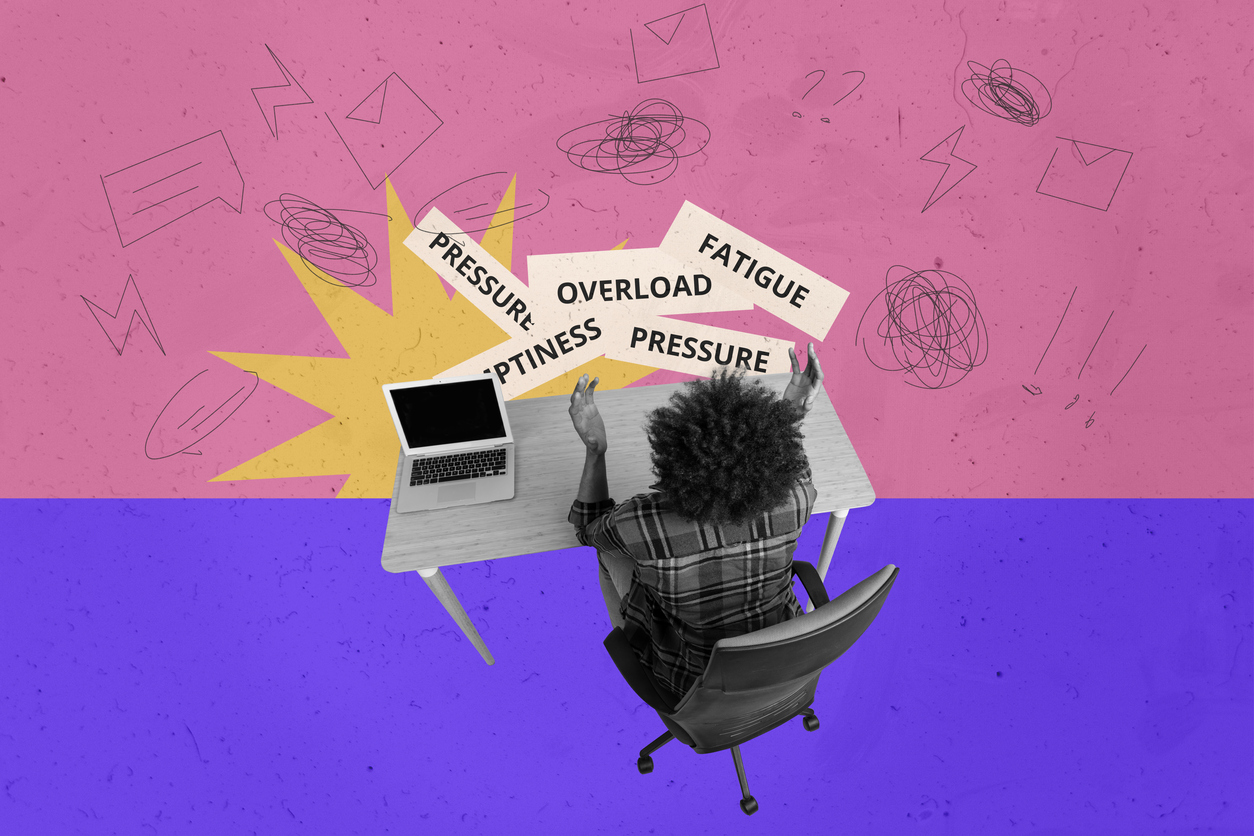
Even strong, motivated students who have done well academically often find themselves overwhelmed during 11th grade, juggling more responsibility than ever before while feeling constant pressure to “get everything right.” If that sounds familiar, here’s the first thing to know: nothing is wrong with you.
Junior year is demanding by design. What matters is not avoiding stress altogether, but learning how to manage it strategically before it turns into burnout.
Why Junior Year Feels Like Everything Hits at Once
By the time students reach 11th grade, expectations increase across the board. Courses become more rigorous, leadership roles come with real responsibility, and standardized testing moves from theoretical to unavoidable. At the same time, students are beginning to hear more about college admissions, often in fragmented or contradictory ways, which only adds to the sense of urgency.
Most juniors are suddenly juggling:
- The most challenging academic workload of high school
- SAT or ACT preparation and testing timelines
- Leadership roles in extracurriculars
- Applications for summer programs, research, or internships
- Early thoughts about college essays and recommendations
Individually, none of these demands are unreasonable. Taken together and layered on top of normal adolescent development, they can feel like too much.
Stress Isn’t a Sign You’re Doing Something Wrong
One of the most damaging myths about junior year is that “successful” students don’t struggle.
In reality, the students who do best in the admissions process are often the ones who feel the pressure most acutely. They care deeply, they hold themselves to high standards, and they’re trying to balance long-term goals with immediate demands.
Feeling overwhelmed in junior year usually means:
- You’re taking appropriately challenging courses
- You’re invested in your activities
- You’re aware that your choices matter
Stress becomes a problem only when it’s unmanaged, unstructured, or carried alone.
The Difference Between Productive Stress and Burnout
Not all stress is bad. Some level of pressure helps students prioritize, focus, and grow. The issue in junior year is that stress often becomes constant and unfocused, with too many competing priorities and no clear system for managing them.
Burnout tends to appear when:
- Everything feels equally urgent
- Students don’t know what actually matters most
- There’s no clear timeline or plan
- Rest starts to feel like failure
The goal isn’t to eliminate stress. It’s to contain it, so effort leads to progress rather than exhaustion.
What Managing Junior Year Actually Requires
Managing junior year successfully doesn’t mean doing more. It means doing the right things in the right order, with realistic expectations.
At this stage, students benefit most from:
- Clear academic priorities that balance rigor with sustainability
- A defined SAT/ACT plan with limited, intentional test dates
- Focused extracurricular commitments rather than overextension
- Early, low-pressure thinking about essays instead of last-minute scrambling
- A realistic summer plan that aligns with academic interests
Without structure, junior year feels chaotic. With it, the same workload becomes manageable.
Why Trying to Do This Alone Makes It Harder
Many high-achieving students are used to figuring things out on their own. By junior year, however, the system becomes too complex for trial-and-error.
Students are navigating:
- Conflicting advice from peers, teachers, and online forums
- Unclear expectations around testing and extracurriculars
- High stakes without transparency about how decisions are made
This is where the right guidance changes everything; not by removing effort, but by channeling it.
The students who succeed aren’t the ones who never struggle. They’re the ones who stop guessing and start making informed decisions.
How Support Changes the Junior Year Experience
With expert support, junior year begins to feel less like a constant emergency and more like a series of manageable steps.
Students who have guidance tend to:
- Worry less about whether they’re “doing enough”
- Make fewer last-minute decisions
- Approach testing with confidence rather than fear
- Use their time more efficiently
- Feel supported rather than scrutinized
Support doesn’t eliminate stress; it makes stress productive.
The AtomicMind Approach to Junior Year
At AtomicMind, we don’t treat junior year as something students just have to survive.
We help students:
- Prioritize what actually matters most for their goals
- Build a realistic academic and testing timeline
- Streamline extracurricular commitments
- Plan summers strategically rather than reactively
- Begin essay thinking early, without pressure
This is why 99% of our students are admitted to at least one of their top three choices; not because they never felt overwhelmed, but because they had expert partners helping them manage complexity behind the scenes.
If You’re Struggling Right Now, You’re Not Behind
If junior year feels heavy, that doesn’t mean you’ve missed something. It usually means you’re at the exact moment when support becomes most valuable.
Even midway through 11th grade, it’s still possible to:
- Rebalance commitments
- Clarify priorities
- Adjust testing plans
- Reduce unnecessary stress
- Regain a sense of control
The sooner structure replaces chaos, the more sustainable the rest of the year becomes.
Final Takeaway
Junior year is the hardest year of high school…and that’s normal.
What matters isn’t avoiding stress, but knowing when to get help, how to prioritize, and how to move forward without burning out.
You don’t have to do this alone.
Book a free college admissions session, and we’ll help you manage the chaos, build a clear plan, and move through junior year with confidence rather than constant pressure.

About the Author: Vicky holds a PhD in History from Princeton University and earned her BA in English at UCLA. She brings over two decades of experience in education, and as Head Advisor at AtomicMind, she guides students with insight, care, and academic rigor. Vicky is passionate about empowering young minds to discover their passions and achieve their full potential.

Share this Article