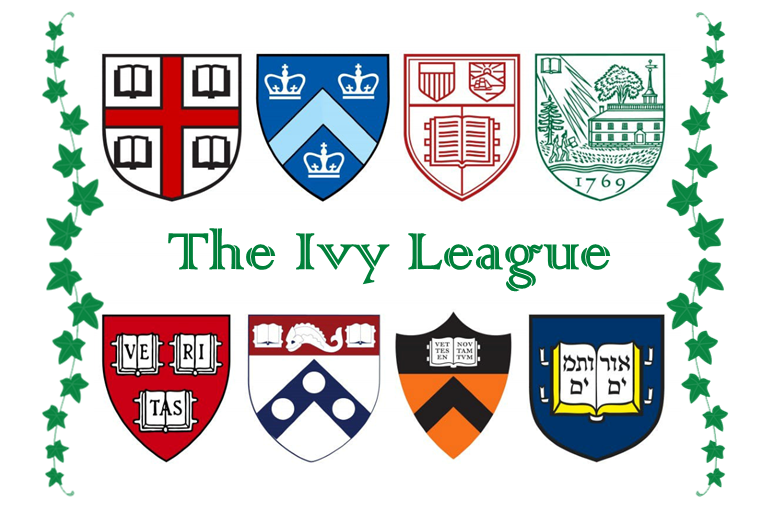
Ivy League Yield Rates for the Class of 2029
By
AtomicMind Staff
January 14, 2026
•
2
min read
Share this Article
Simply highlight text to share on social or email
When colleges talk about “yield,” they’re talking about something very simple: the percentage of admitted students who actually enroll.
Yield doesn’t measure academic quality. It doesn’t rank students. What it does reveal is how confident a college is that admitted students will say yes and how much leverage that college has in the admissions market.
For Ivy League schools, yield rates have climbed steadily over the past three decades. Understanding that trend helps explain:
- why admissions has become more competitive
- why “demonstrated interest” matters differently at different schools
- why waitlists move the way they do
Let’s look at what’s happening and what it means for you.
Ivy League Yield Rates: Class of 2029 Snapshot
Below are approximate yield rates for the Ivy League Class of 2029, based on the most recent publicly available reporting.
College / University Approx. Yield Rate (Class of 2029)
Harvard University ~85%
Princeton University ~75%
Yale University ~70%
University of Pennsylvania ~68%
Brown University ~65%
Cornell University ~64%
Dartmouth College ~69%
Columbia University ~61%
Even the lowest Ivy League yield is extraordinarily high by national standards. At most U.S. colleges, yields below 40% are common.
What These Numbers Actually Tell You
1. Ivy League Schools Rarely “Miss” on Their Offers
A high yield means:
- admitted students overwhelmingly choose to enroll
- the school has strong brand pull and perceived value
- admissions offices can be extremely selective with offers
At schools like Harvard and Princeton, admissions committees know that most admits will say yes. That reduces uncertainty and raises the bar for admission.
2. Yield Shapes Admissions Strategy More Than You Think
High yield affects:
- how many students a school admits
- how aggressively it uses the waitlist
- how much emphasis it places on early rounds
For example:
- Schools with very high yield can admit fewer students overall
- Schools with slightly lower yield may rely more on waitlists to manage enrollment
- Early Decision programs are partly designed to stabilize yield
This is one reason early rounds matter more at some Ivy League schools than others.
A Long-Term Trend, Not a Fluke
Over the past 30 years, Ivy League yield rates have risen steadily. In the early 1990s, yields at several Ivies hovered closer to 50%. Today, many sit well above 65%.
The only major disruption occurred during the pandemic, particularly for the Class of 2024, when virtual starts, travel restrictions, and uncertainty about campus life led some students to defer enrollment or take gap years. Once normal operations resumed, yields rebounded quickly.
The takeaway: high yield is now the norm, not the exception, for Ivy League schools.
Why Harvard Consistently Leads
Harvard’s yield advantage isn’t accidental. It reflects:
- unmatched global brand recognition
- generous financial aid policies
- academic breadth combined with prestige
- strong cross-admit wins against peer institutions
When students are admitted to Harvard alongside other top schools, Harvard often wins those decisions. That’s what an 85% yield really signals.
This doesn’t mean Harvard is “better” than every other Ivy, but it does mean it faces less competition for its admitted students.
What Yield Means for You as an Applicant
Here’s where this becomes practical.
1. High Yield = Less Margin for Error
At very high-yield schools:
- fewer offers are made
- waitlist movement is limited
- admissions committees expect clear fit and commitment
This is why:
- generic applications underperform
- unclear academic direction is costly
- “maybe I’ll attend” vibes don’t land well
2. Yield Explains Why Waitlists Are So Unpredictable
Students often ask: “Why did I get waitlisted when my stats were strong?”
Yield is part of the answer.
If a school already expects most admitted students to enroll, it may:
- admit conservatively
- use the waitlist sparingly
- prioritize candidates it believes will actually attend
Waitlists aren’t rankings of merit. They’re enrollment management tools.
3. Yield Is One Reason Fit Matters More Than Ever
At schools with high yield, admissions officers are asking:
- Does this student want to be here?
- Do they understand what we offer?
- Will they choose us over peer institutions?
That’s why specificity, academic clarity, and demonstrated alignment matter so much, especially at the Ivy League level.
A Final Reality Check
High Ivy League yield rates don’t mean:
- you should only apply to Ivies
- non-Ivy schools are less valuable
- success depends on attending one of these institutions
They do mean that Ivy League admissions is operating in a hyper-competitive, low-margin environment where clarity and fit matter enormously.
Plenty of exceptional students thrive at institutions with:
- lower yield
- smaller applicant pools
- honors programs
- stronger access to faculty, research, or leadership
Yield reflects institutional demand, not individual potential.
Bottom Line
Ivy League yield rates for the Class of 2029 confirm what students already sense: these schools are more competitive than ever, and they know exactly how to manage demand.
For you, the takeaway isn’t to chase yield; it’s to understand how it shapes admissions decisions, and to apply strategically, not aspirationally alone.
If you’re building a college list, weighing early vs. regular rounds, or trying to understand how competitive dynamics affect your chances, AtomicMind advisors can help you interpret the landscape and position yourself thoughtfully, with realism and confidence.

Share this Article