Applying to Deferred MBA Programs as an Undergraduate
By
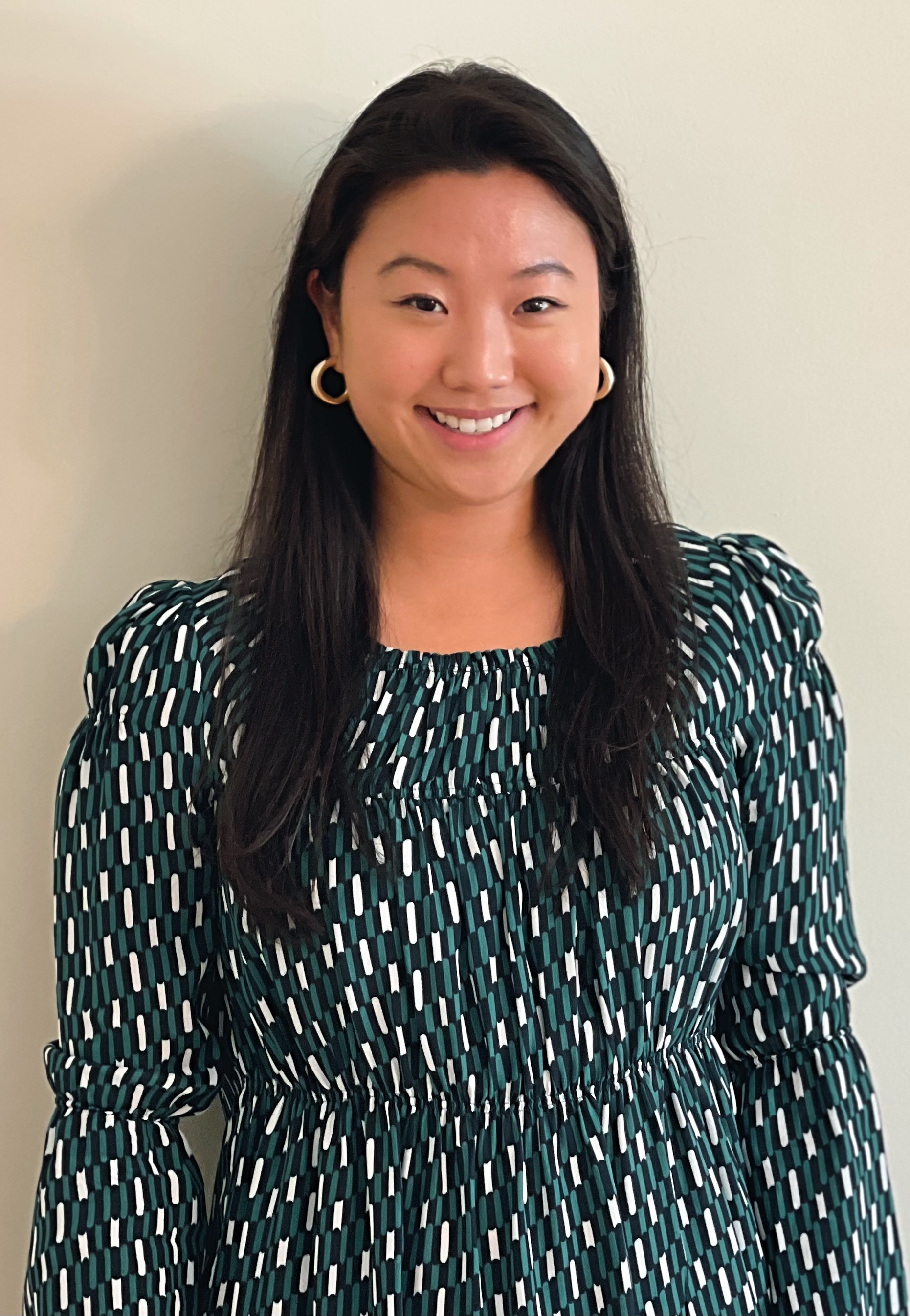
Stephanie Chen
December 18, 2025
•
3
min read
Share this Article
Simply highlight text to share on social or email
If you’re an undergraduate who knows you want an MBA someday, but you’re not ready to apply as a working professional, deferred MBA programs can be a game-changer. Whether it’s Harvard’s 2+2 Program, Stanford GSB Deferred Enrollment, Wharton Advance Access, MIT Sloan Early Admission, or similar pathways at Booth, Kellogg, and Yale SOM, these programs let you secure your spot now and enroll later, typically after 2–4 years of work experience.
But here’s the catch: these programs are extraordinarily competitive, and the evaluation criteria look nothing like the criteria for standard MBA applicants. They are not looking for polished executives. They’re looking for high-potential students with a trajectory.
Below is the playbook: what these programs actually want, what differentiates strong applicants, and how to position yourself to win a spot.
What Deferred MBA Programs Are Actually Looking For
1. Trajectory Over Tenure
Deferred MBA programs don’t expect a long résumé. What they want is momentum, signals that you’re trending toward leadership, impact, and thoughtful career direction.
Examples of “trajectory” indicators:
- Meaningful leadership in a student club or campus organization
- Research experience, especially if it led to publications, conference presentations, or major responsibilities
- Internships that show curiosity and breadth, even if they’re in very different industries
- Founding or scaling a student initiative, nonprofit, or entrepreneurial project
- Demonstrated excellence in a STEM, finance, or analytical field
They’re essentially asking:
“If this is what you’ve done at 20, what might you be doing at 30?”
2. Clarity of Purpose (Without Locking Yourself In)
You do not need a perfect career plan. You do need a coherent narrative that shows:
- You’ve thought about where you’re going
- You understand how an MBA fits into that future
- You can articulate why the deferred pathway helps you accelerate your goals
Programs want early thinkers who have direction, even if that direction evolves.
3. Intellectual Curiosity and Academic Strength
Admissions committees need confidence that you will thrive academically when you eventually enroll. This doesn’t mean a 4.0 is required, but it means:
- Strong grades in demanding coursework
- Evidence of quantitative readiness (especially for MIT, Booth, Wharton)
- A pattern of challenging yourself academically
If you struggled early in college, that’s fine. Just make sure there’s a clear upward trend.
4. Emotional Intelligence and Maturity
Perhaps the most overlooked dimension: self-awareness.
Deferred admits must navigate several years of early career life without the structured support of business school. That requires resilience, reflective thinking, and the ability to evaluate yourself honestly.
Essays and interviews are where this shows up. Programs want applicants who are:
- Thoughtful
- Coachable
- Able to talk about failures without defensiveness
- Comfortable explaining their decision-making processes
Programs take a bet on your future self. Maturity matters.
5. Contribution Potential
These programs are shaping a future class of 2029–2032. They care about the diversity of perspectives you’ll eventually bring to campus.
They look for:
- Distinct backgrounds (STEM, humanities, arts, non-profit, entrepreneurship, finance—anything unique)
- Global experience
- Interdisciplinary thinking
- Voices that will enrich case discussions
Put simply: they want to admit a cohort that will learn from each other.
What the Top Deferred MBA Programs Prioritize
Harvard Business School 2+2
HBS is looking for:
- Leadership (formal or informal)
- Mission-driven applicants
- Initiative and “doing hard things”
- Curiosity and range
- A track record of stretching yourself beyond what’s required
Harvard especially encourages students from:
- STEM fields
- Humanities
- First-gen or low-income backgrounds
- Nontraditional career paths
Stanford GSB Deferred Enrollment
Stanford is the most introspection-heavy program.
They prioritize:
- Deep self-awareness
- Authentic storytelling
- Nontraditional backgrounds or unconventional experiences
- Impact that reflects personal values
- Ambition; not just achievement
Stanford wants people who are going to shift industries, create new ones, or challenge orthodoxies.
Wharton Advance Access
Wharton is looking for:
- Professional orientation and readiness
- Analytical strength
- Evidence you can execute at scale
- A clear bridge between your future goals and Wharton’s ecosystem
They love candidates who have tested different industries through internships and can show data-driven thinking.
MIT Sloan Early Admission
Sloan focuses on:
- Innovation
- Problem-solving
- Technical orientation
- Evidence of hands-on impact
- Comfort with ambiguity and complexity
Sloan wants logical thinkers with creative range, not just coders or engineers.
How to Stand Out as a Deferred MBA Applicant
1. Show “outsized impact” relative to your age
Admissions readers often ask:
“Is this candidate doing more than the average 20–22-year-old?”
Impact beats involvement every time.
High-value examples:
- Led a research project with real deliverables
- Built a product, service, or startup, even if small
- Scaled a student organization or founded something new
- Drove measurable results in an internship
- Secured competitive fellowships, grants, or awards
Your goal: show that you do things, not just participate in things.
2. Build a differentiated profile
Your major isn’t what differentiates you.
Your story is.
Examples:
- A humanities major building a tech nonprofit
- A physics student launching a sports analytics project
- A business major creating an online marketplace for artisans
- A computer science student doing policy advocacy
The angle needs to be distinct, not contrived.
3. Show evidence of exploration
Undergrads often fear seeming “unfocused.” In deferred MBA admissions, exploration is a strength.
Show:
- Multiple internships across two or three sectors
- Self-led projects
- Research in an unexpected field
- Anything that demonstrates you are learning about yourself
This is how the committee sees your trajectory.
4. Get recommenders who know your potential—not just your title
Deferred programs want mentors who can speak to:
- Character
- Leadership capacity
- Intellectual drive
- Growth trajectory
A professor who knows you well beats a CEO who barely remembers your name.
5. Nail the essay: clarity, depth, and reflection
Your essay shouldn’t sound like you’ve already accomplished everything. It should reflect:
- Humility
- Thoughtfulness
- Vision
- Specificity about what motivates you
Committees respond strongly to applicants who can articulate why they care about their goals, not just what the goals are.
6. Treat the interview as a conversation about fit; not a pitch deck
Interviewers expect:
- Candid reflection
- Real examples
- Consistency with your written application
- Demonstrated curiosity about the program
Deferred interview panels can spot scripting a mile away.
Come prepared, but speak like yourself.
Final Takeaway: Deferred MBA Programs Admit Potential, Not Perfection
If you feel like you haven’t done “enough,” remember this:
Every current 2+2 or deferred admit once thought the same thing.
These programs aren’t looking for the most accomplished student. They’re looking for the most promising early-stage leader—someone with a clear sense of purpose, demonstrated initiative, and the judgment to grow into a high-impact professional.
Focus on your trajectory.
Focus on your story.
Focus on demonstrating who you’re becoming; not just who you are right now.
Considering a Deferred MBA? Don’t Navigate This Alone.
Deferred programs admit potential, but identifying and articulating that potential takes strategy. If you’re serious about Harvard 2+2, Stanford Deferred Enrollment, Wharton Advance Access, or any early-admission pathway, the most effective move you can make is partnering with an advisor who understands how to position your story, your trajectory, and your goals.
AtomicMind works with high-achieving undergraduates every year to:
- identify their strongest narrative
- refine their leadership and impact profile
- develop targeted essay strategies
- secure compelling recommendations
- prepare for high-stakes interviews
If you’re ready to put your best foot forward—and maximize your chances of joining a top-tier MBA program—we’re here to help you make it happen.
Reach out to AtomicMind to start building your deferred MBA admissions strategy today.

About the Author: Stephanie Chen is the Director of Marketing at AtomicMind, where she leads brand strategy and outreach. She earned her B.A. from Brown University and her M.B.A. from Columbia Business School, and is passionate about expanding access to quality education through thoughtful storytelling and strategic growth.
Share this Article